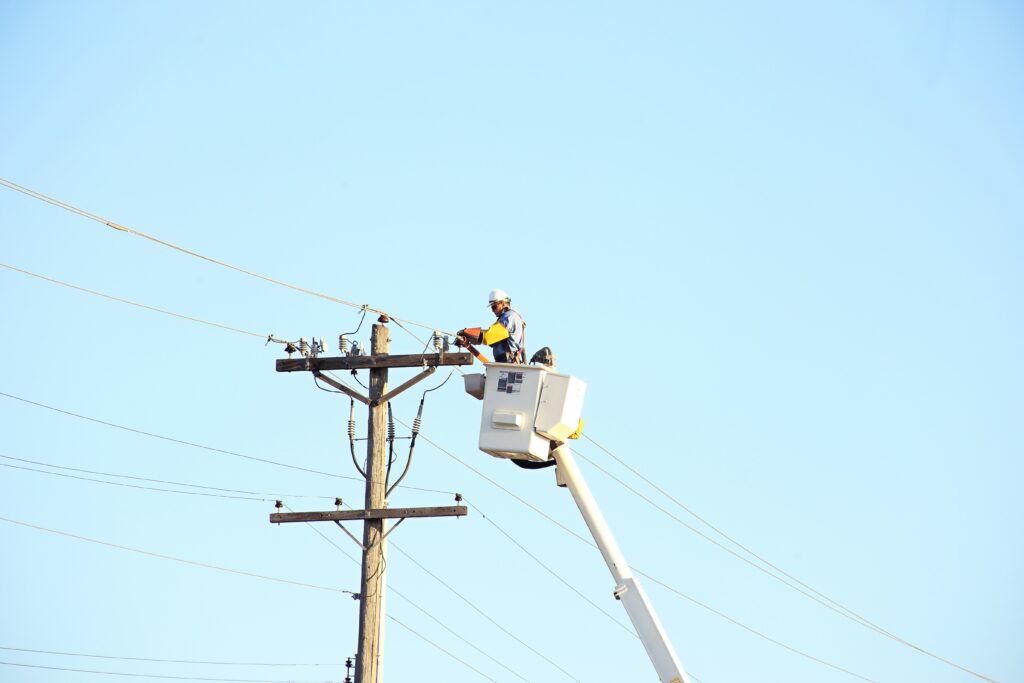
I know how stressful electrical problems can feel, especially when the lights flicker or a breaker trips at the worst possible moment. If you’re searching for an electrician in Greensboro, GA, you’re not alone—many homeowners in this area want fast, safe, and honest service. For clear guidance on safety standards and energy-saving measures, the U.S. Department of Energy has helpful resources that I often reference when planning electrical upgrades.
Why local matters when hiring an electrician
Hiring someone who knows the city and nearby neighborhoods makes a real difference. Local electricians understand regional building codes, the typical wiring you’ll find in older homes, and how weather patterns here can affect outdoor electrical systems. That local knowledge translates into faster diagnosis, fewer surprises, and work that passes inspection the first time. When I evaluate electricians, I look for clear communication about permits, timelines, and how they protect my home during work.
Common electrical services homeowners need
From simple fixes to major upgrades, electricians handle a wide range of issues. Knowing what service you need helps you ask the right questions before hiring anyone. Typical jobs I see around the city include:
- Repairs and troubleshooting for flickering lights, outlets that won’t work, and frequent breaker trips
- Panel upgrades to replace outdated fuse boxes or undersized breakers for modern power loads
- Whole-home or room-specific lighting installations, including recessed lights and LED retrofits
- Wiring for new appliances, HVAC systems, or home additions
Spotting qualified electricians: credentials and questions to ask
A good electrician will gladly share proof of licensure, insurance details, and references. If someone hesitates, that’s a red flag. Here are practical questions I recommend asking during the initial call so you can compare bids confidently:
- Are you licensed to work in Georgia and experienced with local permits?
- Do you carry general liability and workers’ compensation insurance?
- Can you give a written estimate and explain what might change the price?
- Do you offer a warranty on parts and labor?
How pricing usually works and what to expect
Electricians typically price work using a combination of a diagnostic fee, hourly labor rates, and the cost of parts. For straightforward repairs, you may only pay a service call and a set labor charge. For larger projects like panel upgrades or whole-home rewires, expect a detailed estimate with line items for permits, materials, and labor. I always ask for a breakdown so I can see where the money goes and detect any padded costs.
Top safety checks I run before and after any electrical work
Safety should never be an afterthought. Whether you’re hiring a pro or handling minor tasks like changing a light fixture, keep these safety checks in mind so your home stays protected:
- Verify the electrician turns off the circuit at the panel and uses a proper tester before touching wires.
- Confirm GFCI protection is installed where required—kitchens, bathrooms, garages, and outdoor outlets.
- Ask for AFCI protection in bedrooms and living areas when updating circuits to meet modern code.
- Request that all work be left neat and labeled in the electrical panel for future reference.
Emergency electrical steps every homeowner should know
Electrical emergencies are stressful, but having a short plan reduces danger and prevents bigger damage. If you ever face sparking, smoke, or a burning smell, do these things right away: shut off the main breaker if you can do it safely, get everyone out of the house, and call emergency services if a fire is present. For less immediate problems—like a single outlet that won’t work or repeated tripping—turn off the circuit at the panel and contact a licensed electrician to diagnose the root cause rather than relying on temporary fixes.
Trending topics in residential electrical work
Two trends I’m seeing across the region—and that often come up during client conversations—are electric vehicle (EV) charger installations and home energy resilience. More local drivers are switching to EVs and need professionally installed Level 2 chargers for safe, efficient home charging. At the same time, homeowners are investing in battery backup systems and whole-home surge protection to handle storms and grid interruptions. These projects require careful planning: panel capacity, permit coordination, and load calculations all matter.
How to prepare your home for an electrical upgrade
Preparing your space speeds the job and cuts time on-site. Before the electrician arrives, clear the work area, make access to the panel easy, and gather any manufacturer details for appliances that will be connected. If the job involves permits or HOA approvals, get paperwork sorted ahead of time so work can start without delays. I also recommend setting aside a list of concerns you want addressed—dimming lights, tripped breakers, or planned future additions—so the electrician can size the system properly for long-term needs.
Local factors to consider in Greensboro
In this area, many homes range from historic properties downtown to newer builds on the outskirts. Older homes can have outdated wiring, undersized panels, or knob-and-tube wiring, which often require careful remediation. Weather patterns here mean outdoor wiring and exterior lights need weatherproofing and GFCI protection. When talking with an electrician, mention your neighborhood and any nearby landmarks or streets to help them assess drive time, permit jurisdictions, and common local wiring challenges.
Realistic timeline for typical jobs
Timelines vary by job size and permit processing times. For a simple repair or outlet replacement, expect same-day or next-day service if the electrician has availability. Lighting installations or appliance hookups are often completed in a single visit. Panel upgrades, EV charger installs, and whole-home projects can take a few days of on-site work plus a permit turnaround that ranges from a few days to a couple of weeks depending on the inspection schedule. I always plan for weather and supply delays and appreciate electricians who communicate schedule changes promptly.
How the right electrician reduces future hassle
Good electricians don’t just fix the immediate issue; they look for underlying problems and recommend practical upgrades that prevent repeat service calls. That might mean replacing a worn outlet, adding dedicated circuits for major appliances, or suggesting surge protection to guard sensitive electronics. The best pros also document their work and explain how to use any new equipment, so the homeowner isn’t left guessing about maintenance or warranty coverage.
Questions to ask after the job
After work is finished, a thorough walkthrough is essential. Ask the electrician to show you the panel changes, point out new breakers or labels, and explain any new switches or devices installed. Confirm the warranty period for parts and labor and get a copy of the invoice with itemized charges and the permit/inspection reference if applicable. These details make it easier to track maintenance and address any follow-up questions.
Affordable ways to maximize safety and efficiency
Not every upgrade needs to be costly to be effective. A few affordable improvements can have a big impact:
- Swap old incandescent bulbs for LED fixtures to reduce load and lower utility costs.
- Install GFCI outlets in high-risk areas to protect against shock hazards.
- Add surge protection at the main panel to protect appliances and electronics from voltage spikes.
- Label circuits clearly to avoid accidental shutoffs and speed future troubleshooting.
How I vet estimates and choose a pro
I compare multiple written estimates, check for clear scope descriptions, and look for references from recent customers. A trustworthy electrician explains why a particular solution is recommended and breaks down options—for example, replacing a single outlet versus redoing a circuit for better performance. Transparent pricing, good communication, and a willingness to pull permits are the hallmarks I prioritize when choosing someone I’d want working in my home.
Common myths about electrical work
There’s a lot of well-meaning but risky advice floating around, so I always warn people about these myths: DIY rewiring for major projects is dangerous and often illegal without proper licensing; a warm outlet or persistent burning smell should never be ignored; and the presence of a vintage fuse box doesn’t always mean the home is unsafe, but it does warrant a professional assessment. When in doubt, call a licensed electrician who can evaluate risks and recommend an appropriate, code-compliant fix.
When to schedule preventive maintenance
Preventive maintenance saves money in the long run and reduces the likelihood of emergency repairs. I recommend scheduling a basic electrical inspection every few years, especially for older homes or if you notice frequent tripping, reduced appliance performance, or flickering lights. An inspection can identify loose connections, overloaded circuits, and other failures before they become costly problems.
Final checklist before you hire
Before you make a hiring decision, run through this quick checklist to feel confident about the choice: confirm licensing and insurance, review a written estimate, check recent references or reviews, verify the warranty terms, and ask about permit handling. When these boxes are checked, you’re much more likely to get safe, timely, and lasting work.
If you want a team that serves the Greensboro area and understands local needs, consider reaching out to Thunderbolt Electric for a consultation and quote. They can help assess your home, explain options, and schedule work with permits and inspections handled professionally.