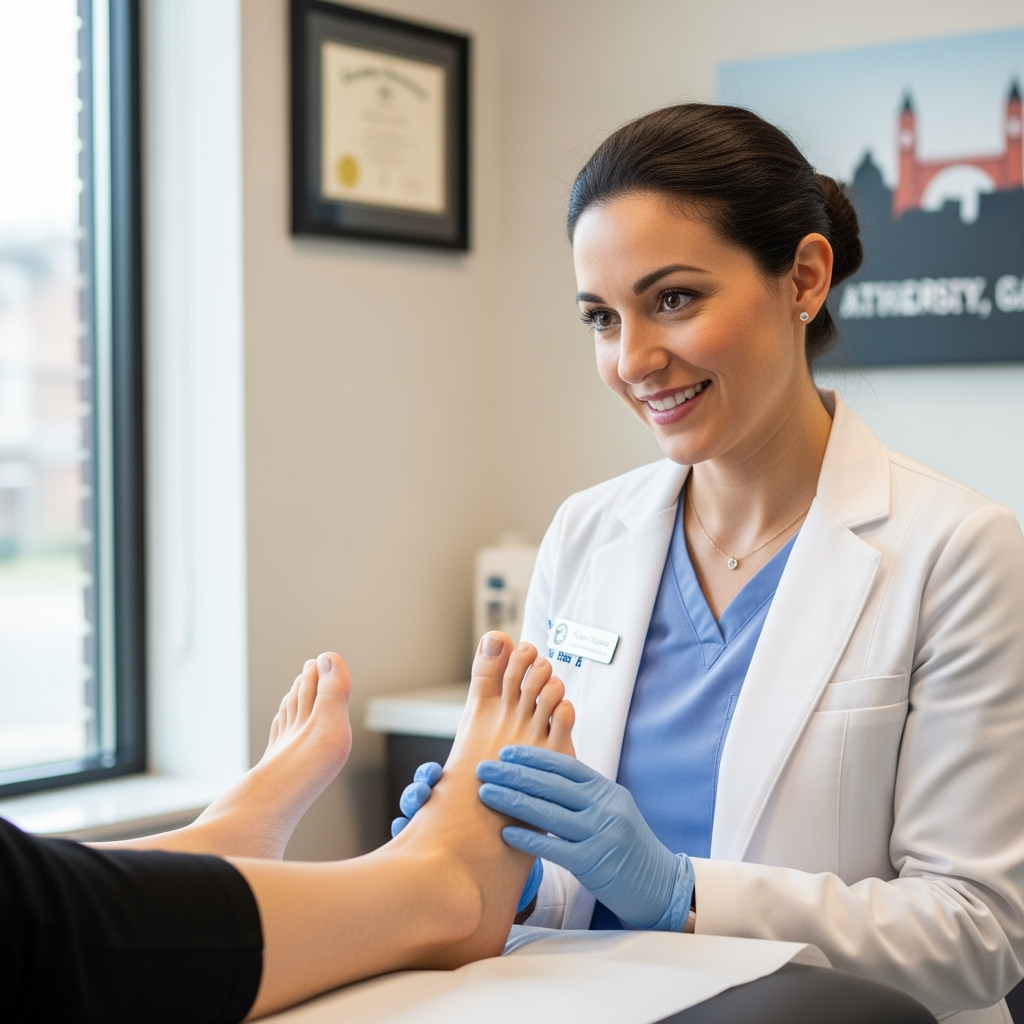
I know how frustrating foot pain can be—one bad step can change your whole day. If you’re searching for a podiatrist in Athens, Ga, you’re already taking the right step toward feeling better. For trustworthy health guidance and national prevention recommendations, I often turn to reliable sources like the Centers for Disease Control and Prevention at CDC.gov for context on conditions such as diabetes and injury prevention.
Why foot care matters where you live
Athens is an active, walkable college town with busy downtown streets, parks, and weekend trails. That lifestyle is great for staying healthy, but it also increases the chance of overuse injuries and shoe-related problems. Whether you’re walking through Downtown Athens, heading to Five Points for a night out, or hiking local sidewalks, your feet take a lot of wear and tear. Ignoring small aches can lead to bigger problems—especially for people with diabetes or circulation issues.
Common foot and ankle problems I see around the city
In my years focusing on local care, these are the problems people bring to the clinic most often. They range from quick fixes to conditions that benefit from early professional treatment.
- Plantar fasciitis and heel pain — the classic morning stab in the heel that lingers when you walk.
- Bunions and hammertoes — slow to form but often made worse by tight or unsupportive shoes.
- Ingrown toenails and nail infections — painful, often preventable with simple toe care.
- Sprains, strains, and stress fractures — common for runners, athletes, and active residents.
- Diabetic foot concerns — numbness, ulcers, and poor healing require routine attention.
How modern podiatry diagnoses foot problems
A good diagnosis begins with a thorough conversation and a focused physical exam. I like to explain the steps so you know what to expect and feel in control of your care. Typical diagnostics include a medical history review, gait and foot structure assessment, bedside tests for circulation and nerve function, and imaging when needed.
Tests and imaging you might encounter
X-rays are useful for seeing bone alignment and fractures. Ultrasound has become a helpful tool for soft tissue problems like tendon tears and plantar fasciitis. When we’re worried about blood flow—especially in patients with diabetes—simple vascular screening or referral for advanced testing can make a big difference in outcomes.
Simple steps I recommend for quick relief at home
Before seeing a provider, there are practical, safe steps many people can try at home to ease symptoms and reduce inflammation. These aren’t substitutes for professional care when needed, but they often buy time and comfort while you schedule an appointment.
- Rest and modify activity: avoid the motion that triggers pain for a few days and switch to low-impact options like swimming or cycling.
- Ice for 10–15 minutes after activity to reduce swelling and inflammation.
- Supportive footwear: choose shoes with a firm heel counter and good arch support; avoid flat, flimsy soles.
- Stretching and strengthening: gentle calf and Achilles stretches help many people with heel pain and tightness.
When to see a podiatrist in Athens
Some issues demand prompt attention. It’s better to get help early than to wait until a small problem becomes harder to treat. If you’re unsure, use these red flags as a guide to seek care quickly.
- Severe pain that doesn’t improve with home care or prevents walking.
- Visible deformities, sudden swelling, or bruising after an injury.
- Open wounds, red streaks, or signs of infection—especially for people with diabetes.
- Numbness, burning, or loss of sensation in the foot or toes.
How treatment plans are tailored to you
There’s no one-size-fits-all approach. I always factor in your daily routine, job, athletic activity, and footwear choices. Treatments can range from conservative, non-surgical options to advanced surgical techniques when necessary. Here’s how I typically build a plan:
First, we target pain and inflammation with activity modification, orthotics, or injections when appropriate. Next, we correct mechanical problems with custom inserts, targeted exercises, and footwear advice to prevent recurrence. If conservative care doesn’t achieve the goal, we discuss surgical options designed to restore alignment and function with faster recovery methods when available.
Trending treatments and technologies in foot care
Podiatry is evolving fast. Two trends I’ve watched closely are telehealth follow-ups and personalized orthotic technology. Telemedicine makes post-op checks and quick consults easier, especially for people with tight schedules or mobility limits. Advances in 3D scanning and printing mean orthotics can be more comfortable and precise than ever, improving outcomes for runners, workers on their feet all day, and people with chronic foot conditions.
Another trend is regenerative medicine approaches—like platelet-rich plasma injections—for certain tendon injuries. These treatments aren’t right for everyone, but they expand non-surgical options for people looking to avoid or delay surgery.
Preventing foot problems in our climate and lifestyle
Athens has warm, humid summers and mild winters. That affects footwear choices, skin health, and foot hygiene. Here are practical prevention tips I share with people who live and work around the city:
- Rotate shoes to allow moisture to evaporate and reduce fungal growth.
- Choose breathable materials in hot months and moisture-wicking socks for long days outdoors.
- Check feet daily if you have diabetes—early detection of blisters or sores prevents serious complications.
- Invest in supportive shoes for walking and running on local streets and trails to cut down on overuse injuries.
Realistic expectations for recovery
Recovery timelines vary. Acute sprains often improve in weeks with proper care, while chronic conditions like severe bunions or long-standing plantar fasciitis may take months to resolve fully. I set clear, measurable goals with each patient so we can track progress and adjust treatments if necessary. Consistent home care and follow-up make a big difference in how quickly you get back to the activities you enjoy.
Working with other health professionals
Foot care often overlaps with other specialties. If you have diabetes, your primary care doctor or endocrinologist is a key partner for wound healing and blood sugar control. Physical therapists help with gait retraining and strengthening. When surgery is needed, collaborating with anesthesiologists and rehab specialists helps ensure safe, effective recoveries. I coordinate care so you don’t have to manage multiple moving parts alone.
Insurance, scheduling, and what to bring to your visit
Before your appointment, check what your insurance covers for podiatry visits and procedures. Bring a list of current medications, any prior imaging if you have it, and a clear list of symptoms—when they started, what makes them better or worse, and how they affect daily life. If you’re seeing a podiatrist for diabetic foot concerns, bring your most recent blood sugar records if available.
Local resources and community programs
This area offers community wellness programs and walking groups that can help people stay motivated while protecting their feet. Local fitness classes, physical therapy clinics, and community health events often include foot health screenings or education. Taking part in community activities is a great way to keep moving safely while learning practical prevention tips from local professionals.
Frequently asked questions I hear from patients
Can podiatrists treat sports injuries for weekend warriors?
Yes. Many foot and ankle injuries from weekend sports respond well to conservative care like bracing, targeted rehab, and activity modification. If needed, imaging helps determine whether advanced interventions are required.
Are custom orthotics worth the cost?
Custom orthotics can be cost-effective when they relieve chronic pain, correct gait problems, or prevent recurring injuries. Newer scanning and fabrication methods improve comfort and fit, which increases patient satisfaction and compliance.
How do I choose shoes that protect my feet?
Look for a supportive sole, a secure heel counter, and sufficient toe space. Replace shoes that show uneven wear or no longer hold their shape. If you’re unsure, bring your shoes to your appointment—examining them gives useful clues about mechanics and wear patterns.
Takeaway: Practical next steps
If you’re living with foot pain or managing a chronic condition, start with these practical steps: track your symptoms, try the simple home-care tips above, and schedule a professional evaluation if you don’t notice steady improvement in a week or two, or if you see any red flags. Early attention often means quicker, more conservative solutions and a faster return to the activities you love.
Ready to take the next step? If you’d like a local team to look at your specific situation, the specialists at Cure Podiatry and Wound Care in Athens can help with diagnosis, personalized treatment plans, and follow-up care to get you back on your feet.