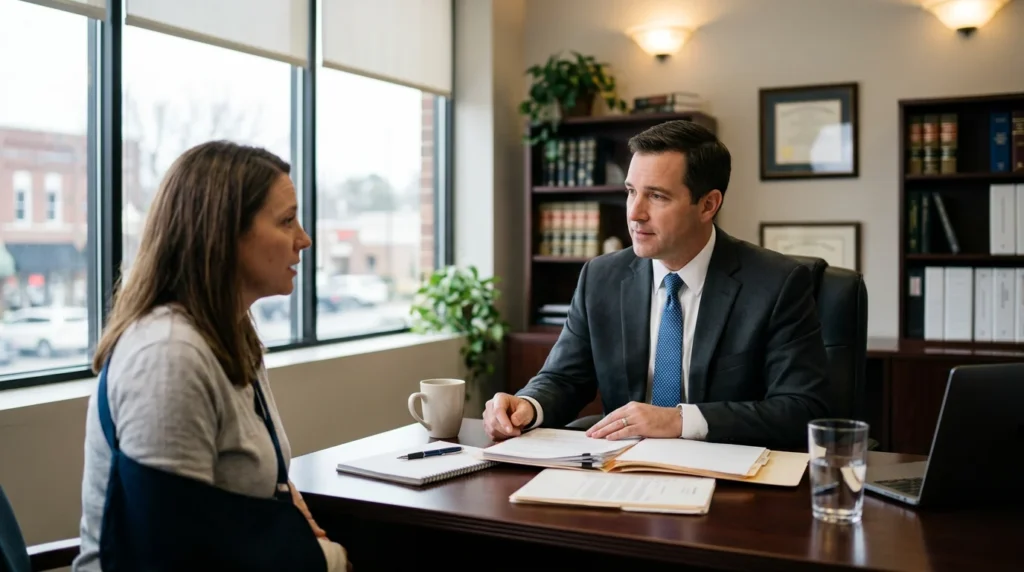
Quick answer: Call a Hall County catastrophic injury attorney as soon as the injured person is medically stable and you suspect long-term disability, major surgery, permanent scarring, brain or spinal injury, or a fatality. Early legal help can preserve evidence, coordinate insurance communications, and prevent damaging statements. It also helps you understand what future care, lost earning capacity, and home modifications may need to be included in a claim.
Signs Your Injury Is “Catastrophic” (Not Just Serious)
“Catastrophic” usually means the injury changes someone’s life in a lasting way—work ability, independence, mobility, or cognition. Common examples include traumatic brain injury, spinal cord damage, amputations, severe burns, loss of vision, and complex fractures with permanent limitations. Families also face catastrophic harm after a wrongful death, especially when the person was a primary earner or caregiver.
If you’re dealing with long hospital stays, multiple surgeries, rehab, or a doctor talking about permanent restrictions, that’s the point to talk with a Hall County catastrophic injury attorney. These cases often require planning around future medical care, assistive devices, and the reality that returning to the same job may not be possible.
Another sign is when insurance focuses on quick settlement offers before the long-term picture is clear. A fast check can feel like relief, but it can also lock you into an amount that doesn’t cover future therapy, medications, in-home help, or reduced earning capacity.
What an Attorney Does Early That Families Can’t Easily Do
Early work in catastrophic cases is less about filing paperwork and more about protecting the facts. That can include sending preservation letters so video footage, vehicle data, or incident reports aren’t lost; identifying all potentially responsible parties; and coordinating communication so you don’t get pressured into recorded statements while exhausted or medicated.
Catastrophic injuries also require a clear damages roadmap. That may involve gathering surgical records, rehab notes, and functional capacity information; documenting how daily life has changed; and estimating future needs like home accessibility changes, mobility equipment, or long-term attendant care. The goal is to avoid a claim that only reflects today’s bills and misses what the next few years may look like.
An attorney can also help you avoid common traps: signing broad medical authorizations, minimizing symptoms in an adjuster call, or posting social media updates that get misread. Small missteps can become big problems once the insurer starts disputing the severity or cause of the injury.
How to Choose the Right Fit for a Catastrophic Injury Case
Start with communication and case handling. Ask who will actually work on the matter day to day, how often you’ll get updates, and how they handle big-ticket evidence like crash reconstruction, product analysis, or medical causation questions. You want clear answers, not vague reassurance.
Ask how they approach valuing future losses. Catastrophic cases often hinge on long-term projections—future treatment, reduced earning capacity, and life-care needs—so the lawyer should be comfortable building a claim that reflects the full timeline, not just the emergency phase.
Bring a short packet to the first meeting if you can: discharge papers, a medication list, photos, names of witnesses, and the insurance letters you’ve received. If you can’t gather it, don’t delay—getting started sooner can help preserve evidence and reduce stress on the family.
If you need help evaluating a catastrophic injury claim in Hall County, Leibel Law – Steven Leibel, P.C. is a place to start.